

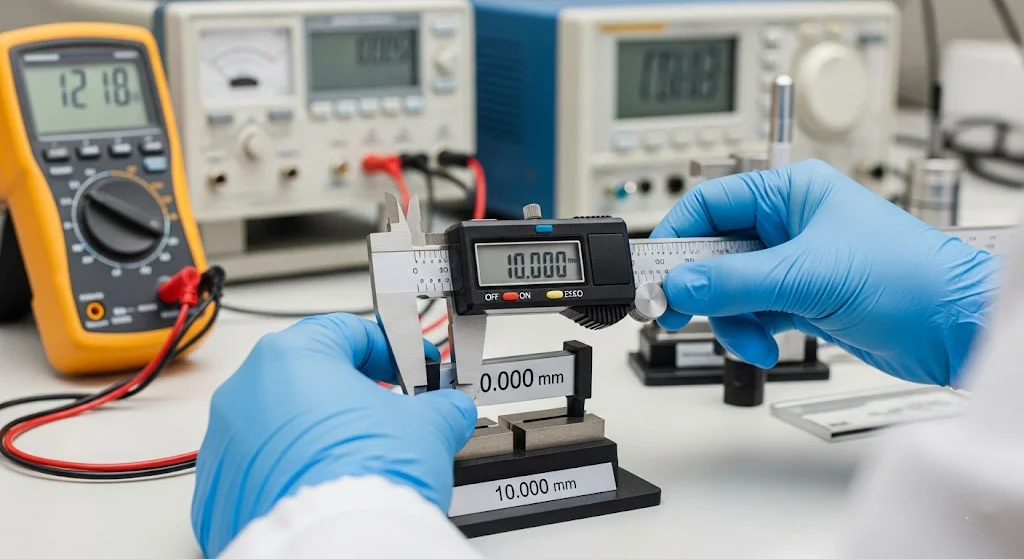
The Finnish word “kalibraatio” translates to “calibration” in English. It refers to the process of comparing and adjusting a measuring device against a known standard to ensure accuracy and reliability. Whether it’s a thermometer, a weighing scale, a pressure gauge, or even a medical instrument, calibration plays a vital role in making sure the results are correct and trustworthy.
In everyday life, you might not always notice kalibraatio, but it is everywhere—from the fuel pump that fills your car, to the medical devices in hospitals, and even the scales used in grocery stores. Without proper calibration, small errors could lead to huge consequences, especially in industries like aviation, medicine, and manufacturing.
This article explains kalibraatio in detail, covering its meaning, importance, methods, applications, and challenges. We’ll break everything into simple language so anyone can understand, even without a technical background.
Why Kalibraatio Matters
Calibration is not just a technical formality—it’s a guarantee of trust. Here’s why kalibraatio is important:
- Accuracy – Ensures measurements are correct and reliable.
- Safety – Prevents accidents caused by faulty readings (e.g., in aviation or medicine).
- Compliance – Meets legal and industrial standards (many industries require periodic calibration by law).
- Cost-efficiency – Prevents waste or product recalls due to inaccurate measurements.
- Reputation – Builds customer trust because clients know results are based on accurate instruments.
For example, imagine a pharmaceutical company producing medicine. If the weighing machines are not calibrated, a tablet could contain too much or too little active ingredient. This small error could harm patients and damage the company’s reputation. That’s why kalibraatio is not just technical—it is ethical and professional.
The Basic Principle of Kalibraatio
At its core, calibration means comparison. A device under test (DUT) is compared with a reference standard that is known to be accurate.
- Reference Standard: A high-precision tool or device with proven accuracy (often certified by a national laboratory).
- Device Under Test (DUT): The instrument being checked.
If the DUT shows different values than the reference, it is adjusted until it matches within acceptable limits. This ensures future measurements are reliable.
Example: If a thermometer shows 100.5°C when boiling water is measured (which should be 100°C at sea level), it needs calibration to correct the reading.
Types of Kalibraatio
Calibration can be applied to many different types of instruments. Here are the most common categories:
1. Temperature Calibration
- Devices: Thermometers, thermocouples, ovens, climate chambers.
- Importance: Crucial in food safety, laboratories, and manufacturing.
2. Pressure Calibration
- Devices: Pressure gauges, barometers, manometers.
- Importance: Ensures safety in pipelines, aviation, and medical equipment.
3. Electrical Calibration
- Devices: Multimeters, oscilloscopes, signal generators.
- Importance: Vital for electronics, communication, and power industries.
4. Dimensional Calibration
- Devices: Calipers, micrometers, rulers, coordinate measuring machines (CMMs).
- Importance: Essential in engineering, machining, and quality control.
5. Mass and Weight Calibration
- Devices: Weighing scales, balances.
- Importance: Critical in trade, laboratories, and pharmaceuticals.
How Often Should Kalibraatio Be Done?
The frequency of calibration depends on several factors:
- Manufacturer’s Recommendation – Many instruments come with a suggested calibration interval.
- Usage Intensity – Devices used daily in harsh environments may need more frequent calibration.
- Criticality – Life-saving equipment (e.g., ventilators) requires more frequent checks than less critical tools.
- Regulatory Requirements – Industries like aviation and healthcare have strict rules for calibration schedules.
General rule: At least once a year, but sometimes monthly, quarterly, or even daily, depending on the situation.
The Kalibraatio Process Step by Step
Here’s a simplified look at how calibration is usually done:
- Preparation
- Gather the instrument and reference standard.
- Ensure both are clean and in stable conditions.
- Measurement
- Compare the DUT with the reference at different points (e.g., different weights, temperatures, voltages).
- Adjustment
- If the DUT is inaccurate, adjust it to bring it closer to the reference.
- Documentation
- Record results, adjustments, and uncertainties.
- Provide a calibration certificate if required.
- Verification
- Double-check that the DUT is now within the acceptable range.
Kalibraatio in Everyday Life
Most people don’t realize how much kalibraatio affects their daily lives:
- Gas stations: Fuel pumps are calibrated so you get exactly the liters you pay for.
- Supermarkets: Scales are calibrated so prices are fair.
- Hospitals: Medical devices like blood pressure monitors and thermometers must be accurate.
- Airports: Airplane instruments undergo strict calibration for passenger safety.
Without proper calibration, trust in these systems would collapse.
Challenges in Kalibraatio
Even though calibration is essential, it faces some challenges:
- Cost – High-precision calibration equipment is expensive.
- Downtime – Taking equipment offline for calibration can interrupt production.
- Skill – Calibration requires trained professionals.
- Environmental Factors – Temperature, humidity, and vibrations can affect calibration results.
The Future of Kalibraatio
Technology is improving calibration in exciting ways:
- Automated calibration systems save time and reduce human error.
- Remote calibration allows devices to be checked over the internet.
- AI and machine learning predict when calibration is needed, reducing unnecessary downtime.
- Digital calibration certificates improve traceability and compliance.
Conclusion
Kalibraatio is more than just a technical process—it is the backbone of trust in measurements. From industries to everyday life, calibration ensures fairness, safety, and accuracy.
By understanding what calibration is, why it matters, and how it is done, we can appreciate the hidden role it plays in our lives. Next time you step on a scale, fill your gas tank, or take a medicine, remember that kalibraatio is quietly working in the background to keep things fair and safe.